

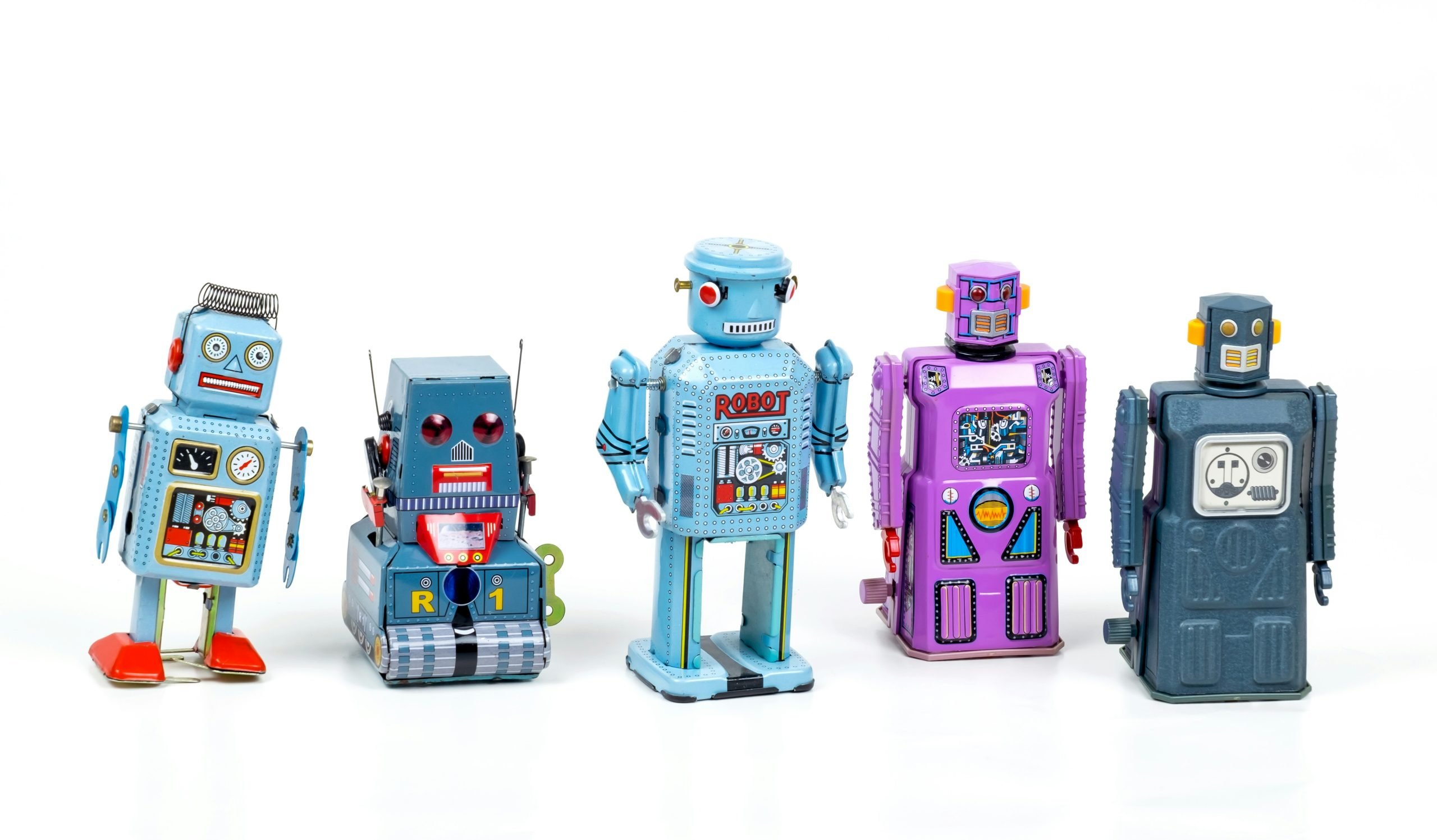

In this article we look at how AI can enhance your digital marketing efforts and the key areas where it can make an impact.
This is an updated and enhanced version of an article we wrote back in 2023, How to use AI in your digital marketing. As always, the underlying marketing principles remain. However, AI has changed dramatically over the course of 2 years, so it was time to revisit the post. Change is a constant in digital marketing!
One aspect of AI that we didn’t fully understand a few years back, was the enormous negative environmental impact it has. Some articles are suggesting AI uses 1 litre of water per query.
With this in mind, we’d recommend using AI sparingly. It’s not going anywhere, but the emerging data suggests that overuse is unsustainable.
AI as a digital marketing tool
Since early 2025, Artificial Intelligence (AI) has moved beyond being a novelty and is now an invaluable tool in digital marketing.
Once hovering on the fringes, AI-powered platforms like ChatGPT, DALL·E, and Midjourney have become mainstream, allowing businesses to automate processes, gain deeper insights, and personalise marketing at scale.
But AI isn’t just about generating text or images. AI is your go to tool for smarter, more effective marketing.
Maybe you’re already experimenting with AI, or perhaps you’re just starting to explore its potential. Wherever you are, knowing how to use AI strategically can give your business a real competitive edge.
6 ways to use AI in digital marketing
1. Content creation and enhancement
Content is where many businesses first experiment with AI. Tools like ChatGPT, Jasper, and Copy.ai can generate blog posts, ad copy, and email sequences in seconds.
But AI-generated content should never replace human creativity. AI is a great tool to support and streamline your content marketing process, but make sure you have eyes on every piece of content that represents your brand.
Remember: stay human! But here’s how AI can help you with:
2. Customer segmentation and targeting
AI excels at analysing vast amounts of data to segment your audience based on behaviour, preferences, and demographics. This allows you to create hyper-personalised campaigns tailored to the right people at the right time.
How AI helps:
3. Chatbots and AI-powered assistants
Conversational AI has come a long way. Chatbots are no longer clunky, rule-based responders. “Computer says no” is getting less common – thankfully!
Chatbots are now (scarily) intelligent, learning systems that can provide instant customer support, product recommendations, and lead nurturing.
AI chatbots and assistants can support your business by providing:
4. Predictive analytics for smarter decision-making
Marketing data is an invaluable source of insights for marketers. But it can be overwhelming and tricky to digest. AI can process historical data and identify patterns in customer behaviour, allowing marketers to predict trends and make data-driven decisions.
AI supports data-driven decision making by:
5. AI-powered ad targeting and automation
AI-driven advertising is now the default for Google Ads, Meta Ads, and LinkedIn Ads. Platforms use machine learning to optimise bidding, placements, and creative variations in real time. The idea behind this is to ensure businesses get the best return on their ad spend.
How AI helps with paid ads and SEM:
6. Sentiment analysis for brand reputation management
AI can scan online conversations across social media, reviews, and forums to gauge public sentiment about your brand. Social listening is a great way to discover what people really think about your product or service.
How AI helps with sentiment analysis:
What’s next for AI in digital marketing?
AI in digital marketing is evolving fast, and businesses that embrace it strategically will stay ahead. Some emerging trends include:
For ongoing insights, Christopher S. Penn’s Almost Timely News is an excellent resource. We find his AI marketing analysis is invaluable.
How Davison & Brain Digital can help
AI can enhance your digital marketing strategy, but knowing how to implement it effectively is key. At Davison & Brain Digital, we help businesses integrate AI-powered tools, optimise campaigns, and ensure data-driven decision-making without losing the human touch.
Next level AI-driven marketing
If you’re ready to explore AI-driven marketing and want expert guidance, get in touch with us today.
Let’s create a smarter, more effective digital strategy for your business.


